Interior and outdoor
Lighting
Installation
Durham
Downlights set out before the plasterer arrives, strip lighting where the fitting never shows, and outdoor schemes that come on when it actually goes dark.
Decide the lighting before the plastering
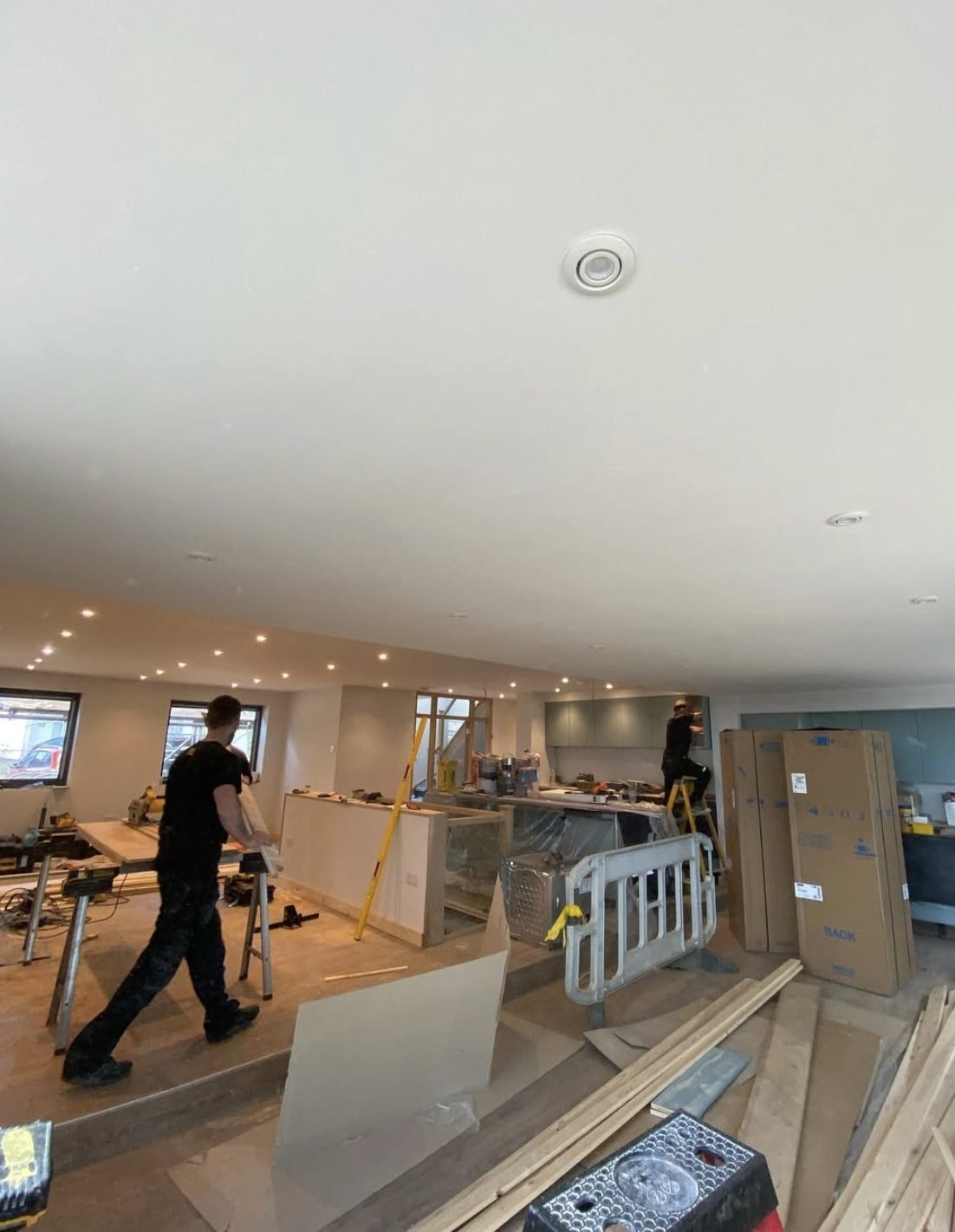
The most common regret we hear about is lighting that was decided after the ceiling went up. Downlight spacing, how many separate circuits you want to switch, which fittings dim and which do not, whether the island gets pendants or spots — all of it is easy while the ceiling is open and awkward afterwards.
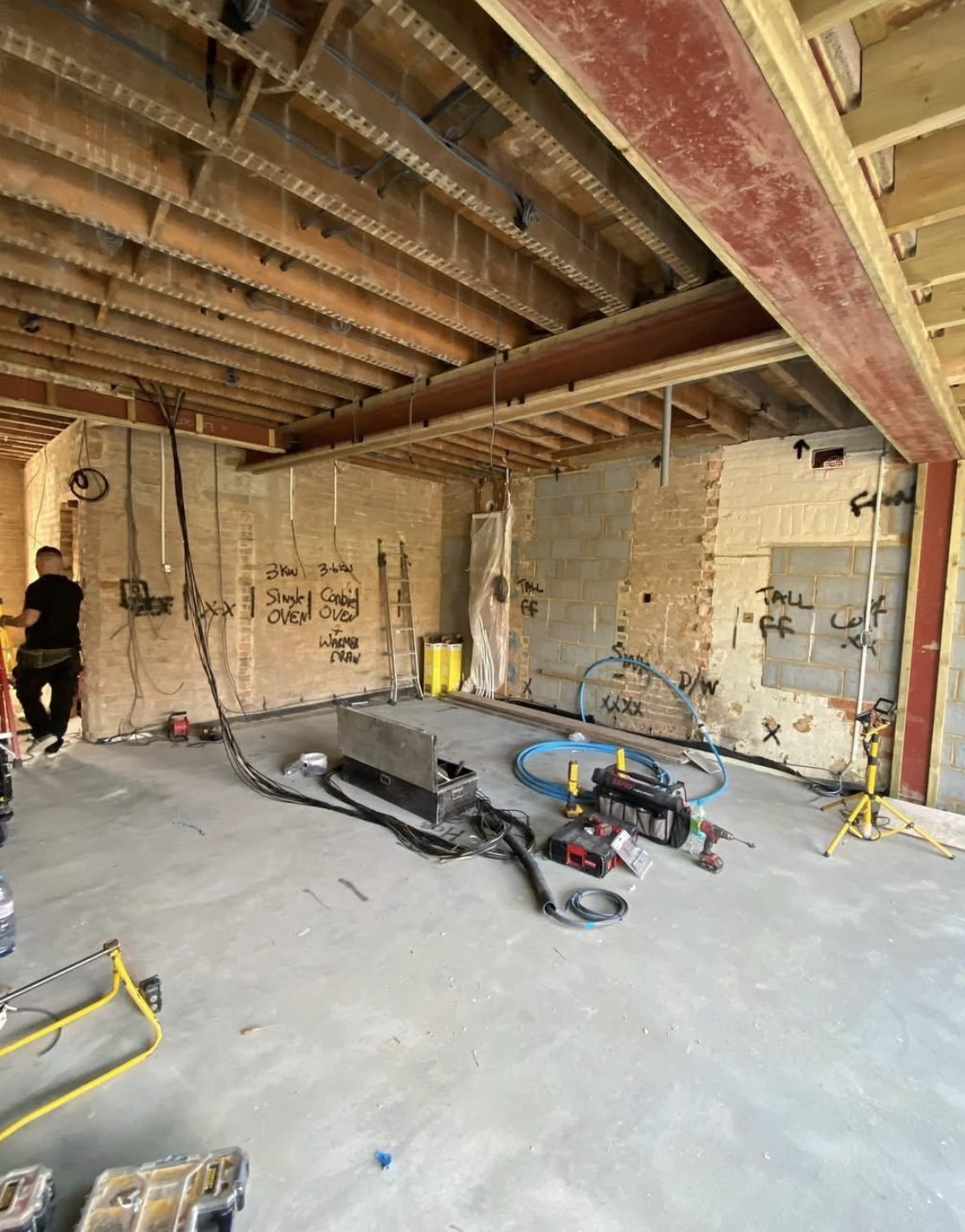
It also costs less. Adding a second switched circuit at first fix is minutes of work. Adding it once everything is skimmed and decorated is a day and a decorator. If you are having any building work done, that is the moment to have the lighting conversation, not once the scaffold is down.
Downlights done properly
Spacing is the thing people get wrong, usually by putting in far too many in a rigid grid. Lighting a room well is about where the light lands rather than how many holes are in the ceiling. We will set out positions on site and let you look at them before anything gets cut, working around joists, and keeping fittings away from the ceiling edges where they just wash the walls.
The other failure is heat and drivers. Integrated fittings where the driver cannot be separated mean the whole unit goes when the driver dies, which it will. Poor ventilation above a ceiling shortens their life considerably. We will tell you which trade-off you are making rather than fitting whatever is cheapest and letting you find out in three years.
Strip, plinth and feature lighting
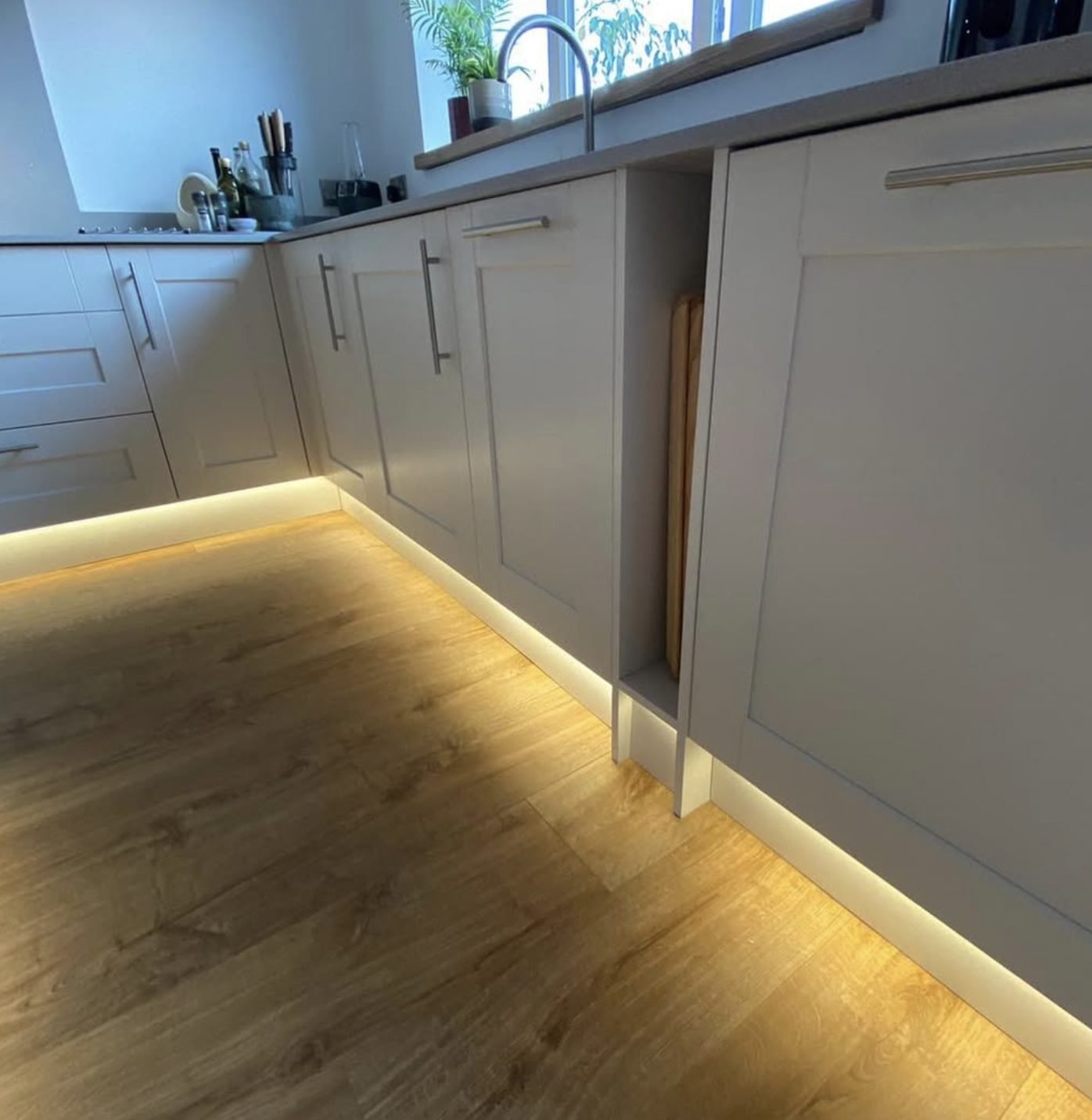
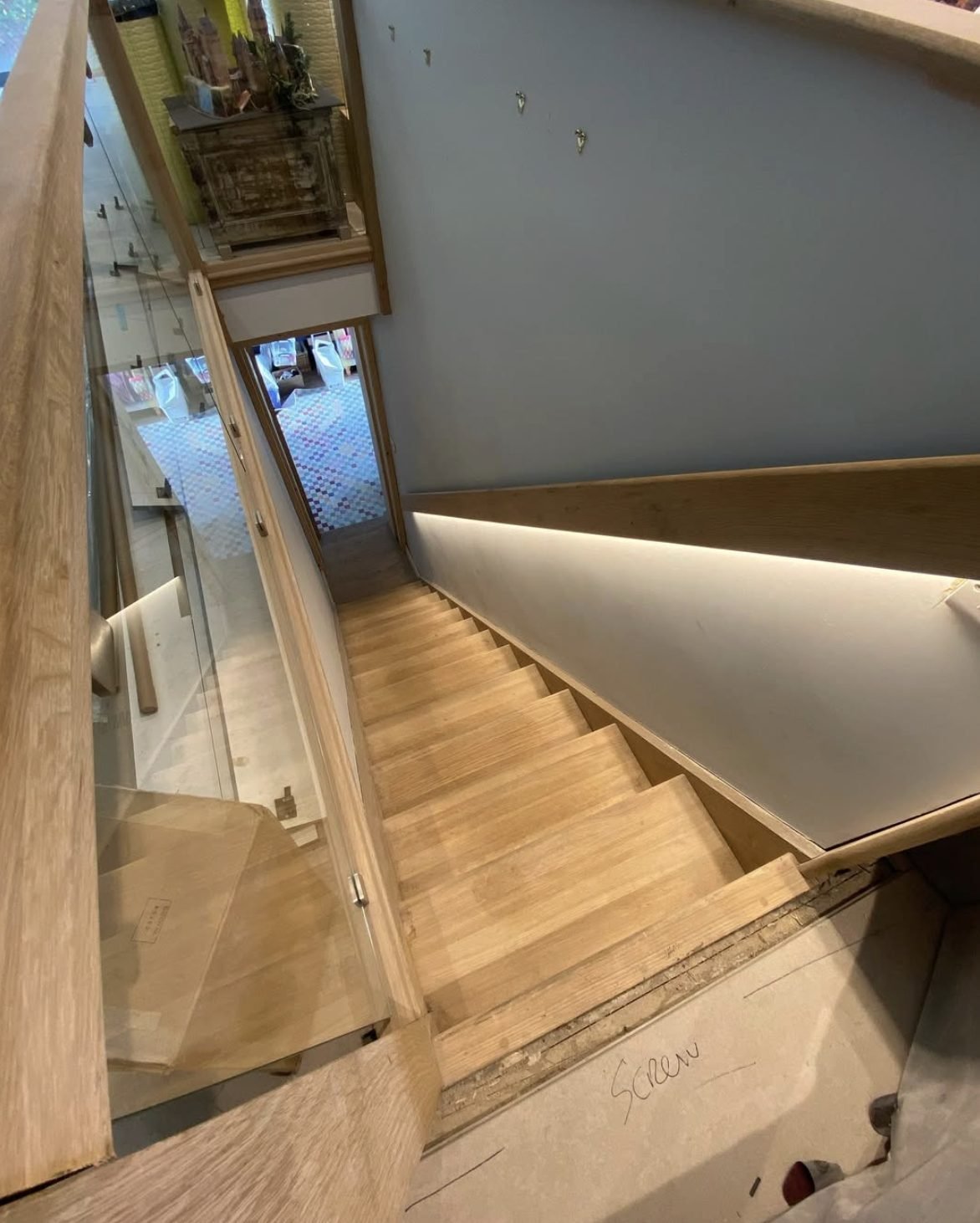
Concealed strip is the detail that lifts a kitchen, a staircase or a run of shelving, and it is also the easiest thing to get wrong. Set too close to the edge and you see a row of individual diodes reflected in the floor. Set back properly and you get an even wash with no visible source at all.
Drivers need to live somewhere you can reach them, because they are the part that fails. Putting one behind a permanently fixed panel is storing up a problem. We plan that in rather than dealing with it later.
Outside
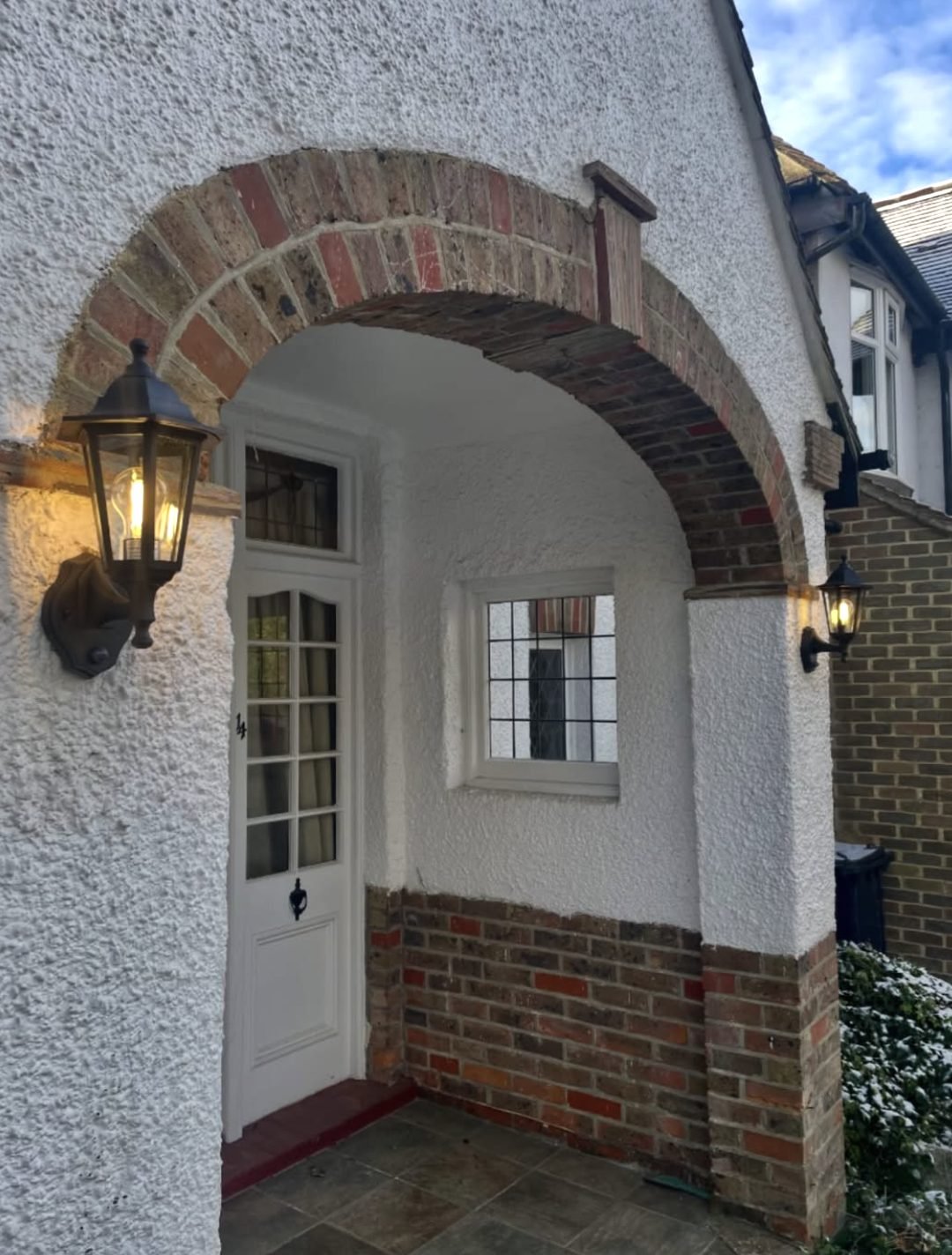
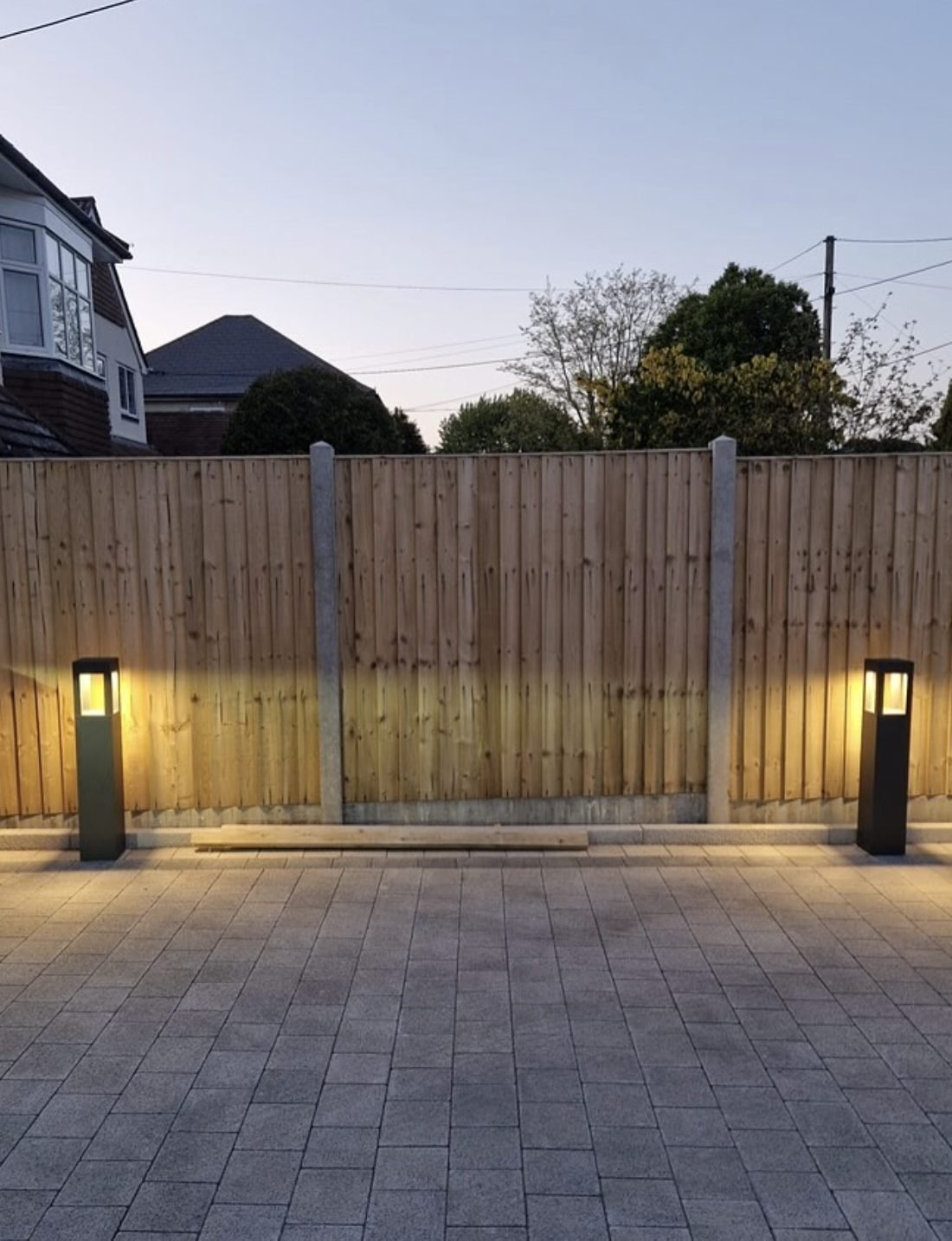
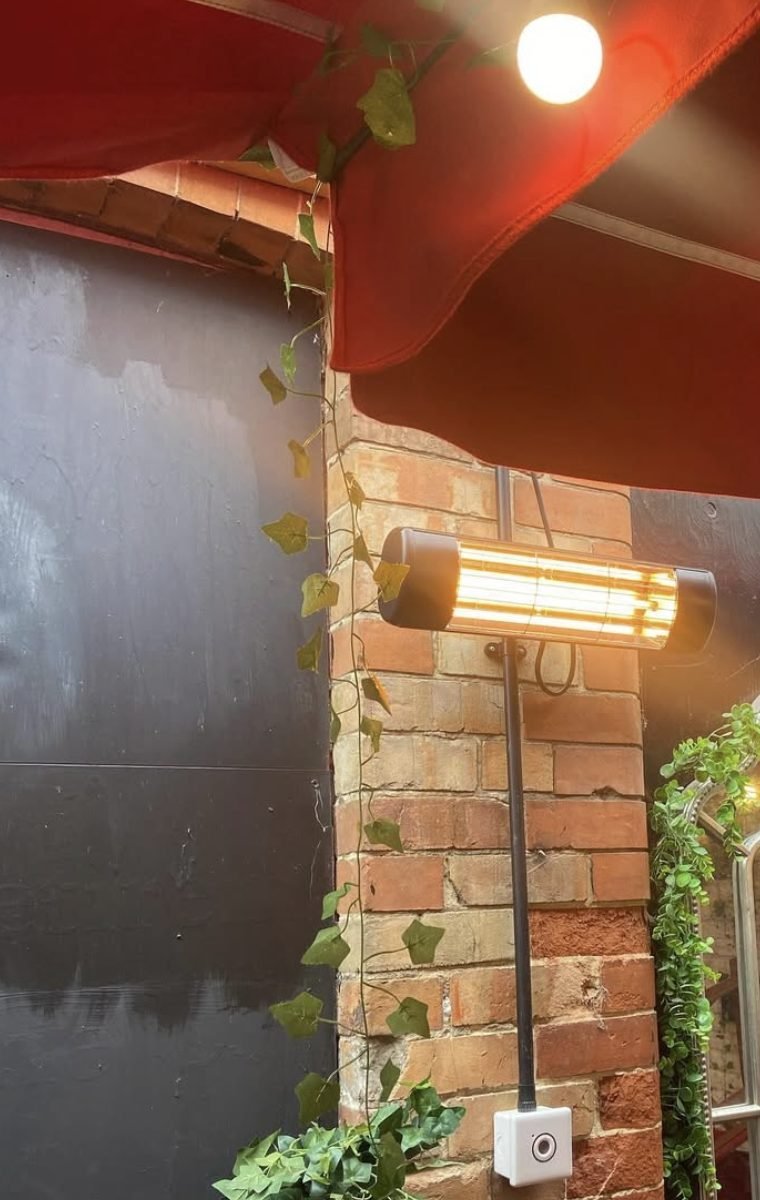
Outdoor lighting is worth doing on its own circuit and switching it by photocell rather than a timer, because a timer drifts through the year and you end up resetting it every few weeks. Bollards down a drive, lanterns either side of a door, up-and-down wall lights on a stone elevation — all straightforward, all better when the cable route is planned before the landscaping goes in.
Lighting work we take on
- Downlight layouts set out on site
- Plinth, cove and handrail strip lighting
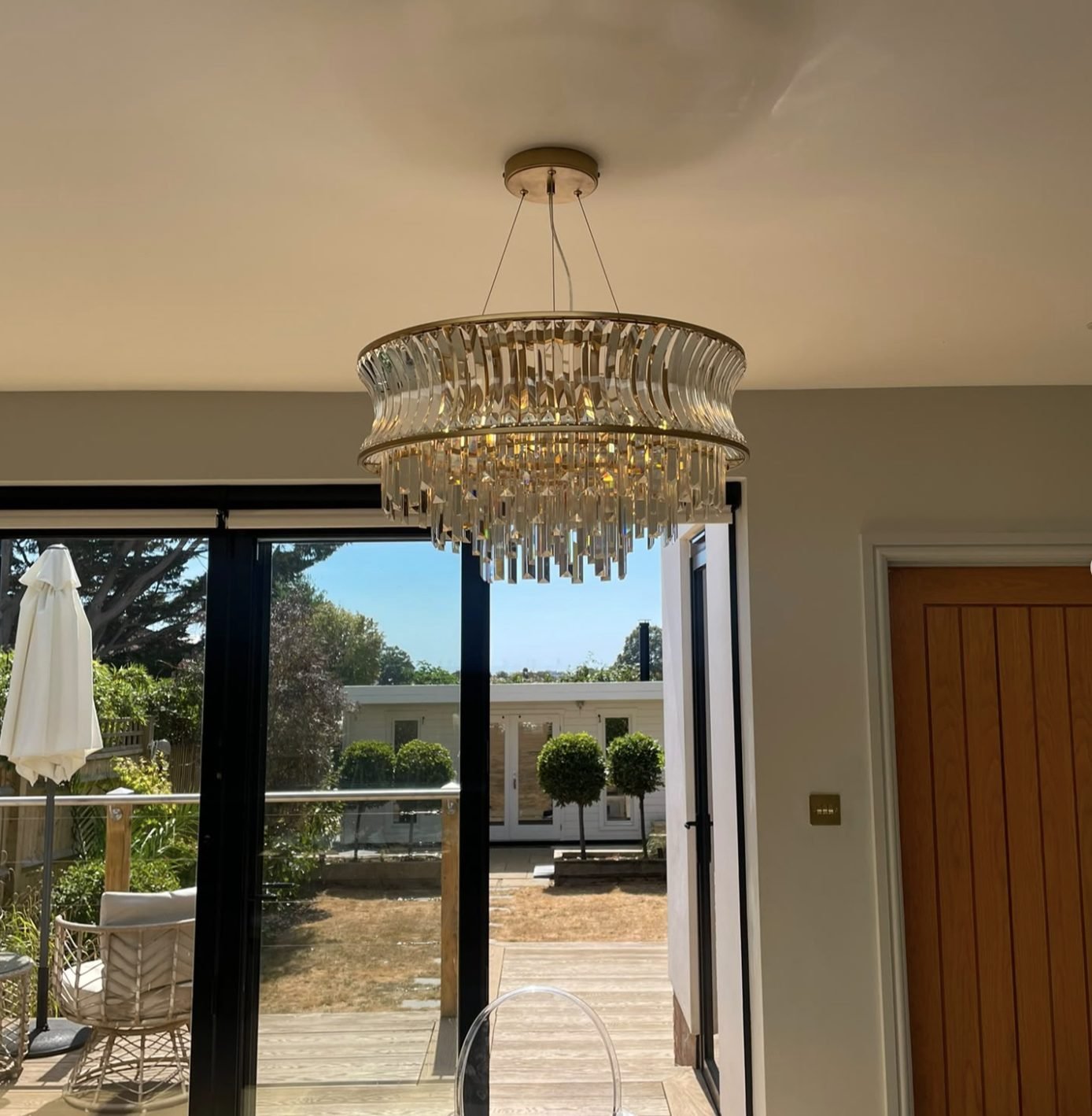
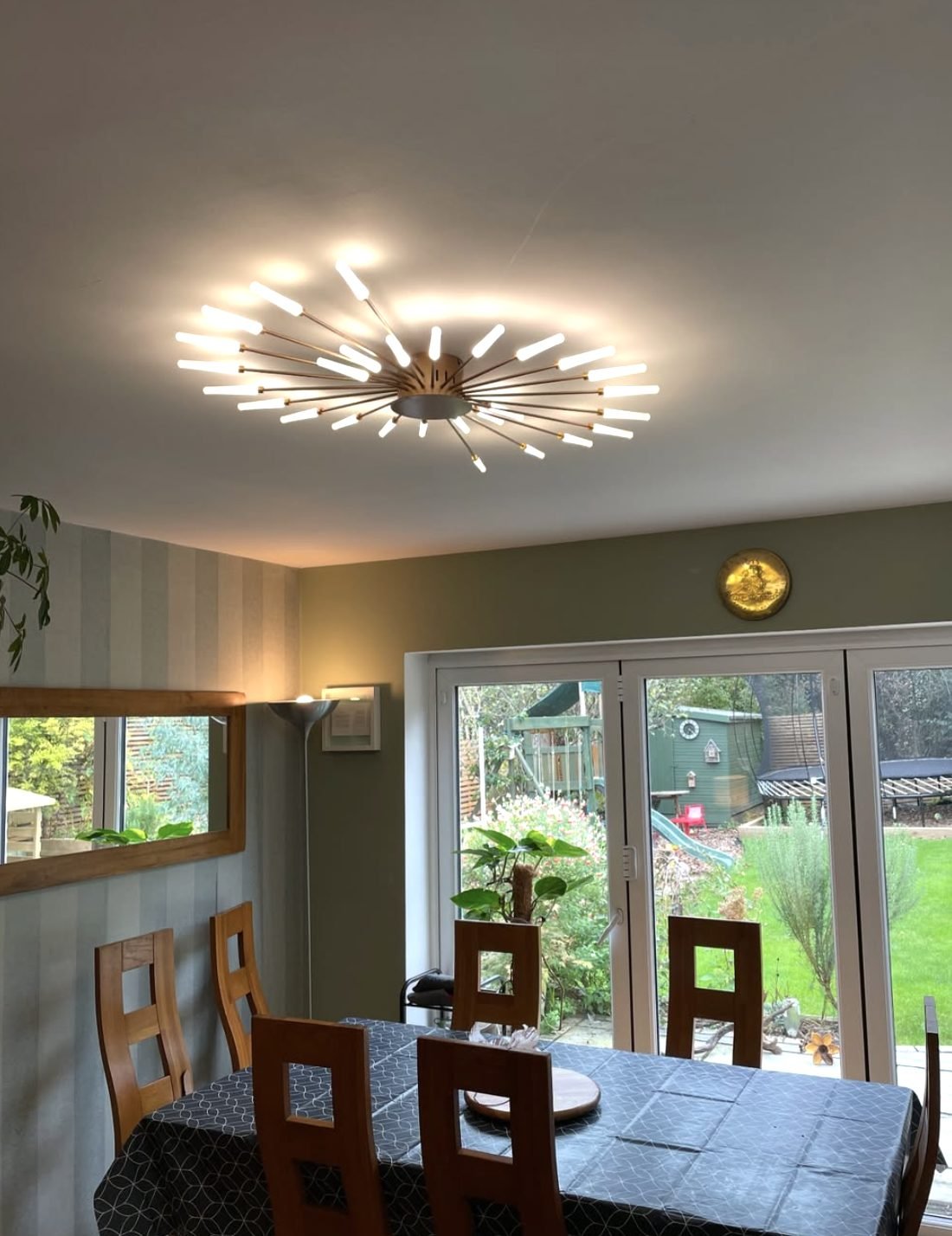
- Chandeliers and heavy statement fittings
- Additional switching and two-way arrangements
- Dimming matched to the fittings actually used
- Outdoor lanterns, bollards and wall lights
- Photocell and sensor switching
- Garden, path and driveway schemes
How it runs
What actually happens
Talk it through
What the room is for, how you use it and when. That decides the scheme far more than a catalogue does.
Set it out
Positions marked on site and looked at before anything is cut. Free to move at this stage, expensive later.
Install
Fittings installed, circuits run, heavy items fixed back to timber rather than plasterboard, drivers left accessible.
Commission
Dimming checked against the actual lamps fitted, sensors and photocells set, and everything tested before handover.
Recent projects
Work of this kind
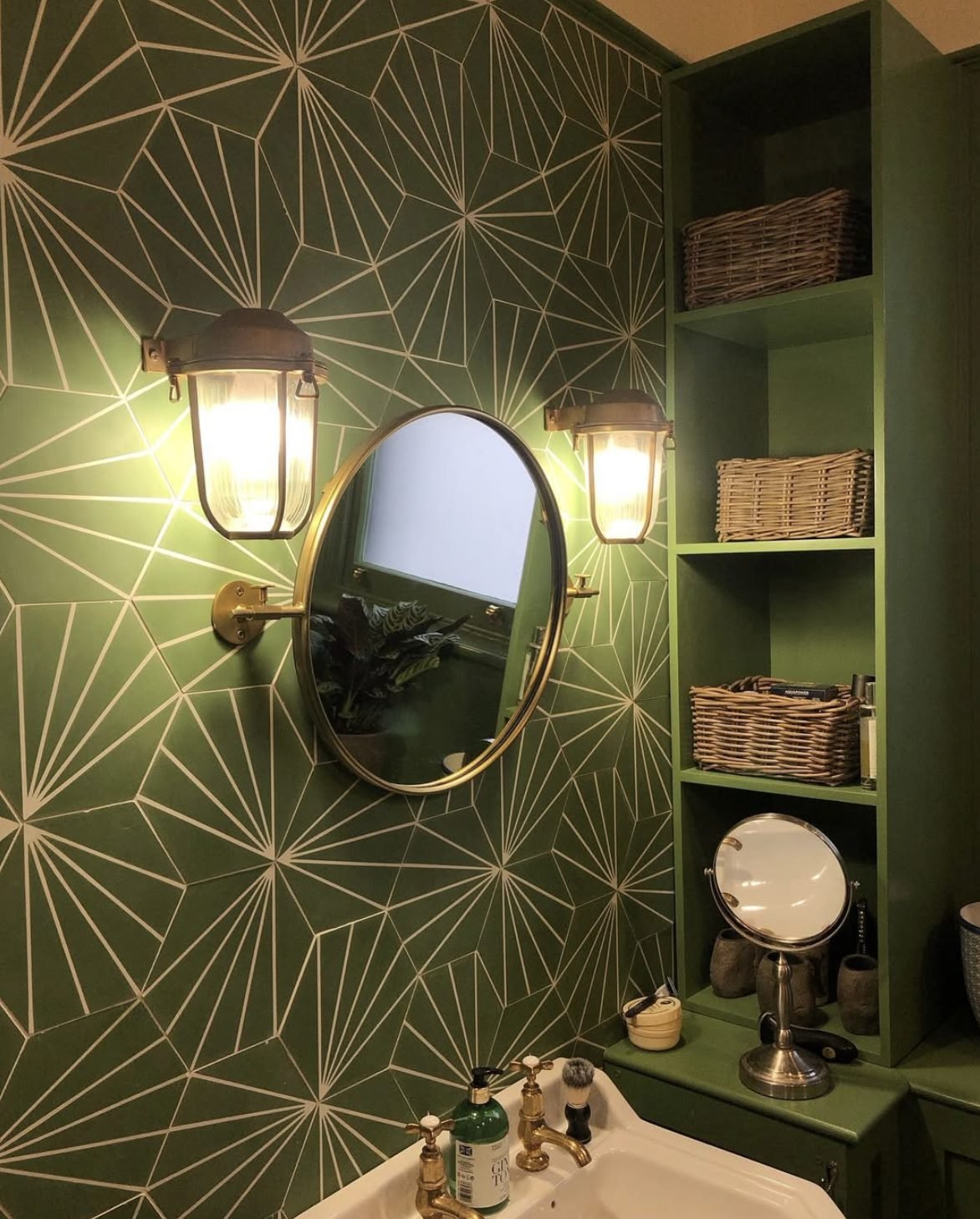
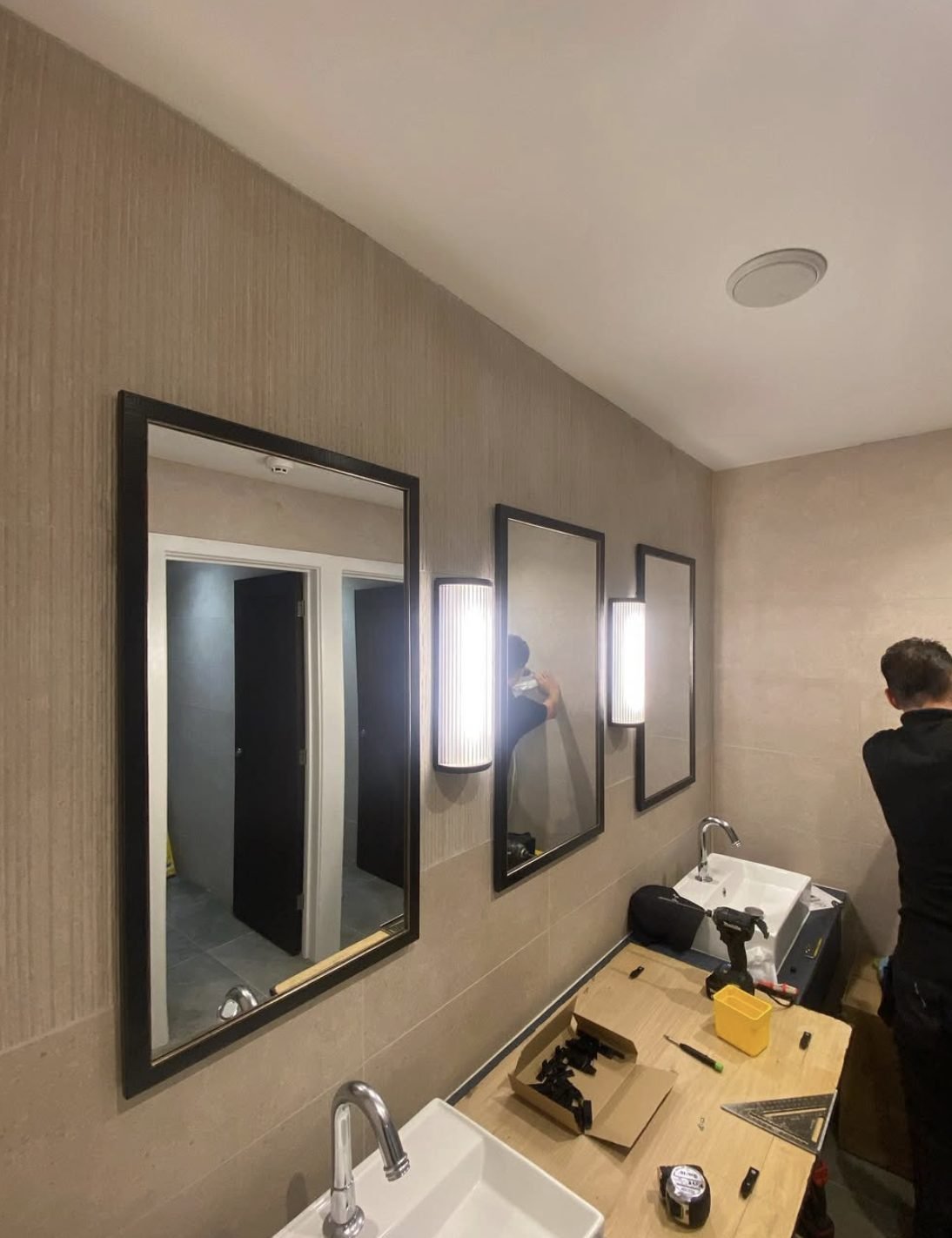
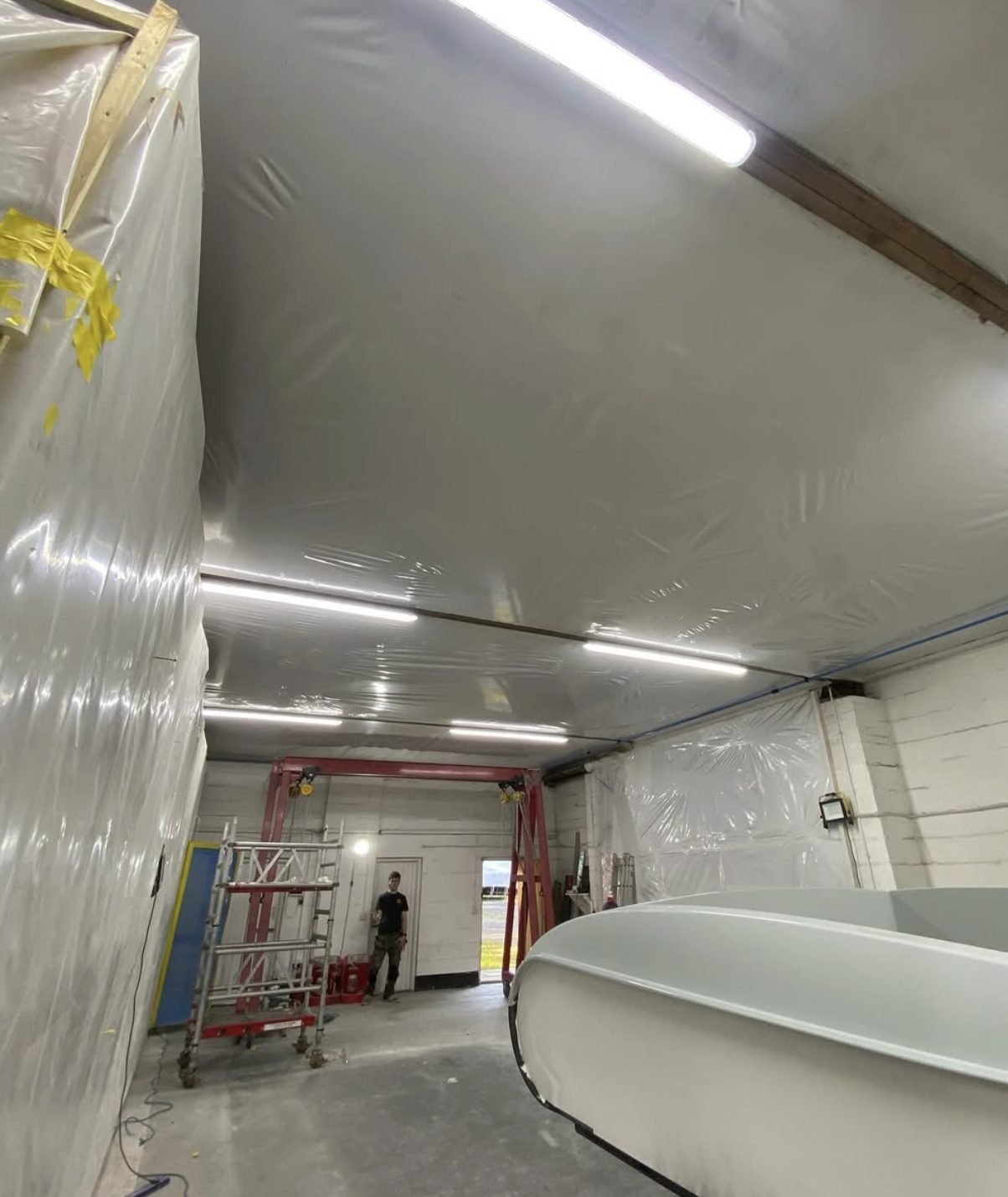
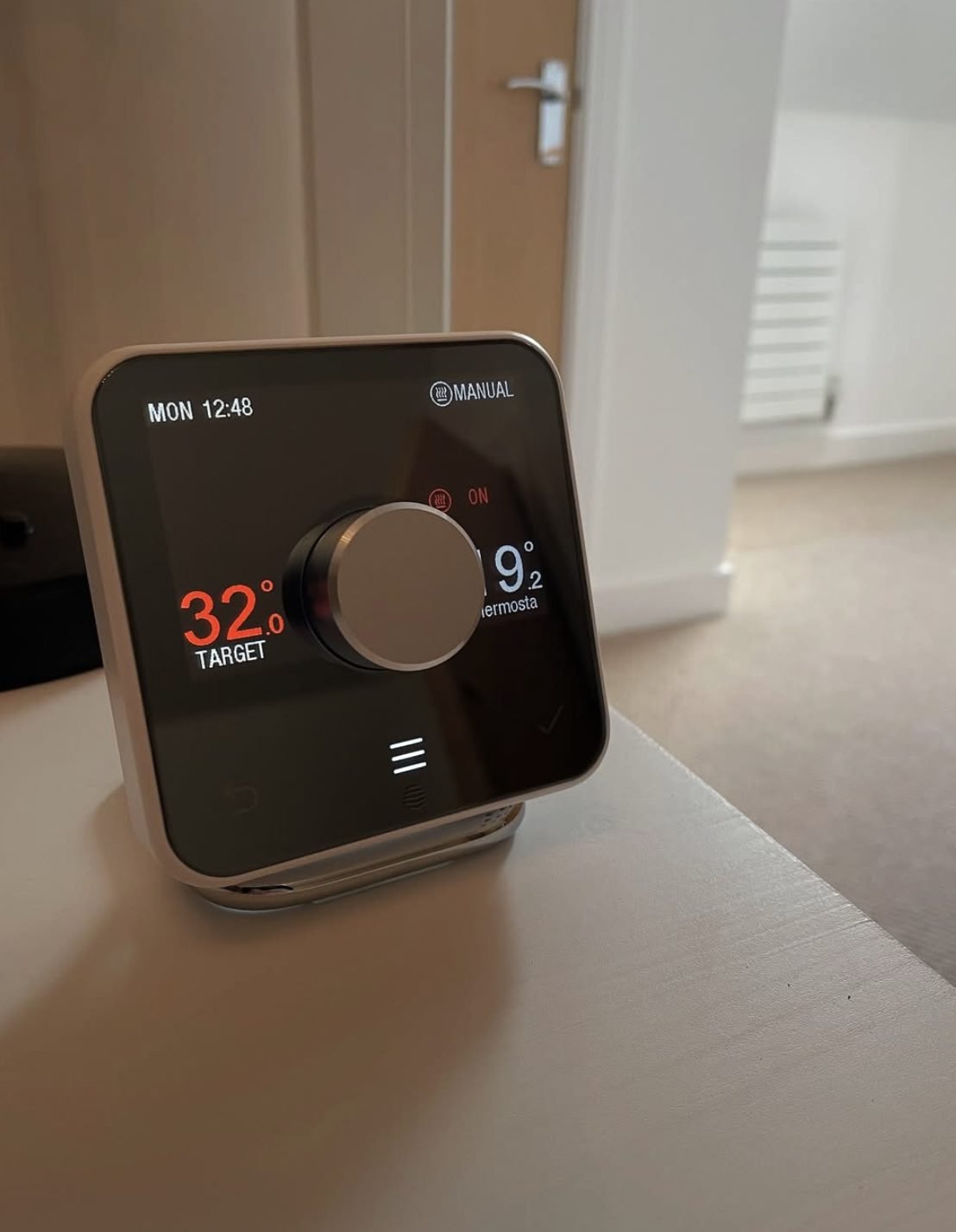
Photographed on site as each one finished.
FAQs
Questions on this specifically
How many downlights does a room need?
Fewer than most people think. It depends on ceiling height, the beam angle of the fitting and what the room is for, but a kitchen laid out well often needs far less than the grid people imagine. We will set positions out on site so you can see them before anything is cut.
Can you fit a heavy chandelier?
Yes, and the fixing is the part that matters. Anything substantial needs securing back to a joist or a timber noggin rather than hanging off a plasterboard rose. We will also set the drop to suit the room rather than leaving it at whatever length it arrived in the box.
Why do my LED downlights keep failing?
Usually the driver rather than the lamp, and on integrated fittings the two cannot be separated so the whole unit goes. Poor ventilation above the ceiling shortens driver life, and dimmers that were never matched to the lamps will finish them early. It is worth diagnosing rather than replacing the same fitting twice.
Can you make outdoor lights come on automatically?
Yes. A photocell is better than a timer for anything you want on from dusk, because a timer drifts as the seasons change and you end up resetting it constantly. Sensors suit security lighting where you want it triggered rather than running all evening.
Do I need a separate circuit for outdoor lighting?
It is usually worth it. Outdoor circuits are the ones most likely to develop a fault from water ingress over time, and having them on their own way means a problem outside does not take out the lights indoors.
Also worth a look
Other things we do
Get in touch
Get a price for this
Phone if it is urgent. Otherwise fill this in with as much detail as you can and we will come back with a figure or a date.
Call the team0191 934 0118- CoveringDurham City and the county around it — Chester-le-Street, Consett, Stanley, Lanchester, Bowburn, Coxhoe, Peterlee, Easington, Seaham and the villages between.
- HomesCity terraces, colliery-village housing, inter-war semis and rural property. Nothing too small, nothing too big.
- Student letsEICRs, HMO certification and remedial work, scheduled around term dates and changeover weeks.
- UrgentUse the phone for anything that cannot wait. We can set off and talk you through isolating it at the same time.
Send the details
The more you put here, the tighter the figure we can come back with.
Electrician Done Right
Planning a room or a whole house?
Talk to us before the plastering starts. It costs less and the result is considerably better.